The Quiet Workhorse: Styling a Sideboard That Actually Earns Its Place
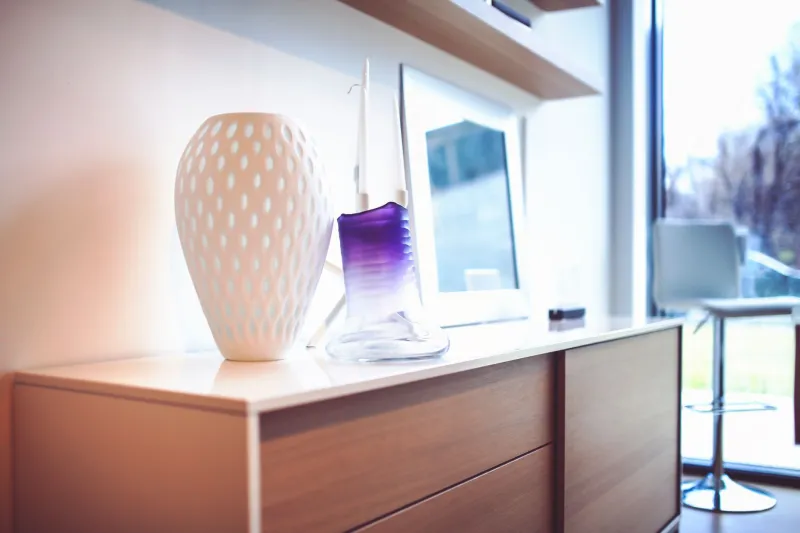
A sideboard is one of those pieces that quietly gets on with things. It holds the good glasses, the board games, the candles you forget you own and the lamp that makes the corner feel less gloomy. But because it is practical, it can easily become the room’s dumping ground rather than its anchor. The trick is to treat it as both: a hardworking bit of storage and a considered styling moment. In 2026, with so many of us wanting homes that feel polished but still lived in, the sideboard is having a proper moment. Here is how to make yours earn its place without turning it into a display cabinet you are scared to touch.
Start with proportion, not pretty things
Before you arrange a single vase, check the basics. A sideboard that is too short for its wall can look stranded; one that is too deep can swallow a narrow UK living room whole. As a rough guide, aim for a piece that covers around two-thirds to three-quarters of the wall or alcove it sits against, leaving breathing room at each end. In a Victorian terrace with chimney-breast alcoves, a made-to-fit width can feel beautifully intentional. In a new-build living room, a slimmer depth is often the difference between a comfortable walkway and a daily shin-bruising obstacle.
Height matters too. If you want to use the top for a lamp, art or a mirror, leave enough wall space above for those pieces to breathe. A low sideboard under a large mirror creates a lovely calm horizontal line; a taller one may only need one strong object on top. Wall-hung designs can make a small dining room feel more generous, while a leggy mid-century style keeps things light in a compact living space. Measure the room, not just the furniture showroom.
Give storage a job description
The most stylish sideboards are not the emptiest ones. They are the ones where the storage has a clear purpose. Think in zones: one for everyday useful things, one for occasional entertaining pieces, and one for the bits you want out of sight but close to hand. Baskets, felt-lined drawers and simple dividers are unglamorous heroes here. They stop the interior becoming a chaotic cupboard and make the top easier to keep calm.
Cable clutter deserves a mention too. If a lamp lives on your sideboard, use a discreet clip or a small hole-free cable tidy to keep the flex from trailing across the surface. In a dining room, reserve one drawer for napkins, serving spoons and birthday candles so you are not rummaging through the kitchen every time you lay the table. Good storage is what allows the display to look effortless.
Layer the top like a room, not a shelf
The top of a sideboard is a small stage. Treat it with the same eye you would give a coffee table or mantelpiece. Start with the largest piece — often a lamp, a mirror or a framed print — and build around it. A simple triangle arrangement works well: a tall lamp at one end, a lower bowl or stack of books in the middle, and a smaller object at the other end. Vary heights so the eye moves gently rather than bouncing across a row of same-sized ornaments.
Leave some negative space. This is the difference between styled and cluttered. You do not need to fill every centimetre. A generous gap can make a favourite ceramic feel more special. If you love colour, let one piece lead and keep the rest quieter. If your room is already busy with pattern, choose a few sculptural shapes in neutral tones instead. And remember the practical layer: a tray is brilliant for corralling keys, a candle and a small plant without making them look like a lost property pile.
Mix useful beauty with affordable finds
The sideboard is the perfect place to combine high-street practicality with something a little more special. A plain woven basket can sit beside a charity-shop bowl or a car-boot-find jug. A inexpensive framed print can look brilliant leaning against a simple mirror. The goal is not to buy a whole new look; it is to edit what you already own and add one or two pieces with real presence.
In 2026, there is also a welcome shift towards pieces that feel individual rather than identikit. Look for a lamp with a pleasing shade, a vintage glass vase, a small marble tray or a textured ceramic that catches the afternoon light. None of these need to be expensive. The sideboard itself can be a second-hand find painted in a soft chalky colour, or a simple oak piece left honest and unadorned. Useful beauty is about balance, not budget.
Two quick recipes to try
In a living room, try a slim sideboard with a table lamp, a large mirror above, a low bowl for everyday bits and one stack of books you actually dip into. Add a plant if the light allows. In a dining room, go slightly more generous: a lamp or pair of candlesticks, a drinks tray, a bowl for fruit and a small framed print leaning at the back. Keep the centre clear enough to put down a serving dish when friends arrive.
Above all, let your sideboard look inhabited. A perfectly styled surface with no sign of life can feel like a show home. A slightly wonky stack of books, a candle that has actually been lit and a bowl that holds real things will always feel warmer. That is the quiet anchor a UK room wants in 2026: a piece that works hard, looks lovely and never makes a fuss about it.