The Grounding Room: Why Your Rug Should Be the First Decision, Not the Last
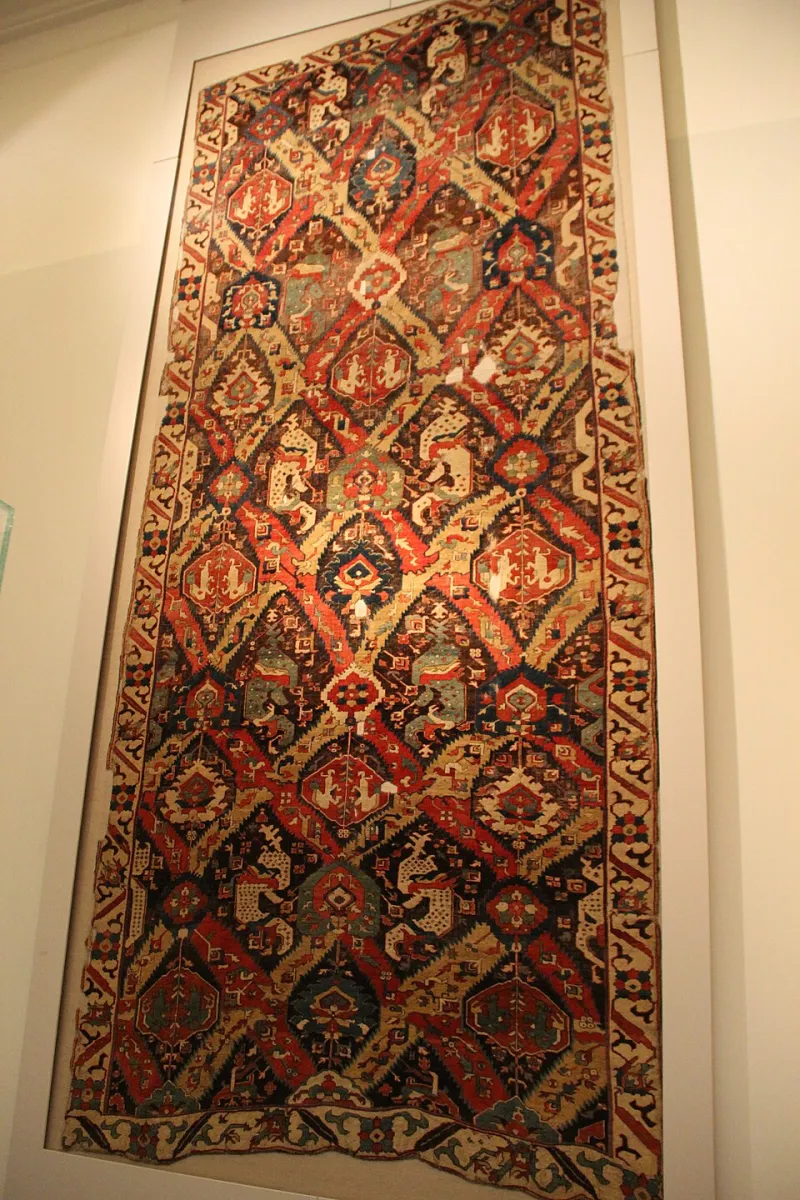
Photo: Gary Todd from Xinzheng, China, CC0, via Wikimedia Commons
There is a familiar sequence in British decorating. We fall for a sofa, choose a paint colour, hang a mirror, then remember the floor needs something underfoot. The rug arrives last, chosen in a hurry, and usually a size too small. It is understandable, but it is also the wrong way round. In a polished, welcoming home, the floor is not the afterthought. It is the quiet anchor that lets everything else settle into place.
Why the floor deserves first say
A rug does more than soften a hard floor. It draws the edges of a room, groups the furniture into a conversation, and adds the kind of warmth that no amount of cushions can fake. In a UK living room — often compact, often open to a hallway or staircase — a generous rug can make the difference between a space that feels like a collection of pieces and one that feels composed.
Starting with the rug also makes the rest of the decisions easier. Once you know the scale, tone and texture underfoot, the sofa, coffee table and lighting have something to answer to. The room begins to make sense from the ground up.
The size question: go bigger than feels sensible
The most common styling mistake is not colour or pattern. It is scale. A rug that sits like a postcard in the middle of the floor can make even a decent-sized room feel tentative. In 2026, the more confident approach is a rug that genuinely holds the seating area together.
As a rule of thumb, aim for at least the front legs of your sofa and armchairs to sit on the rug. If you can go further, do. A rug that runs under the coffee table and reaches towards the edges of the seating group will make the room feel larger, not smaller, because it creates one clear zone instead of a scattering of islands.
Before you buy, mark the size out on the floor with masking tape. Live with it for an evening. You will quickly see whether you have left enough breathing room around the edges and whether the rug is doing the job you want it to do. In a smaller UK sitting room, a rug that nearly fills the floor can be transformative — just leave a slim, even border of floor visible so the room still reads as a room, not a carpeted box.
Put the furniture in conversation with the rug
A rug should not be treated as a wall-to-wall carpet, nor as a mat for one chair. It is a frame. Position the furniture so the rug gathers the main seating into one relaxed group, then let the edges breathe.
If your sofa floats in the middle of the room, the rug should underline that layout rather than fight it. If the sofa sits against a wall, bring the rug forward so it still catches the front legs and reaches into the centre of the room. Side tables can sit half on, half off — that slight overlap looks intentional and stops the arrangement feeling too neatly boxed in.
Do not be tempted to downsize the rug to make a room feel bigger. More often, a small rug chops up the floor and makes the seating area feel cramped. A larger rug unifies the space, gives the eye somewhere to rest, and makes the room feel calmer.
Materials that earn their keep in a British home
A rug in a UK home has to cope with real life: damp shoes, muddy paws, winter grit, summer doors left open, and the general traffic of family life. That does not mean settling for something dull. It means choosing wisely.
Wool and wool-rich blends are hard to beat for living rooms. They are warm underfoot, naturally resilient and age gracefully. A flatweave or low-pile rug is practical for busier spaces and easy to vacuum, while a slightly thicker pile brings welcome softness to a room with bare floorboards. Jute and sisal offer texture and a relaxed, grounded look, though they are better in lower-traffic spots or layered with a softer rug where comfort matters most.
Warm-toned materials suit the British climate beautifully. Think oatmeal, sand, clay, mushroom, muted terracotta and soft moss. These shades bring warmth without demanding attention, and they are forgiving of everyday marks. If you want pattern, choose something with a quiet repeat or a hand-drawn irregularity — it adds interest while hiding the odd footprint.
Colour, pattern and the art of quiet warmth
A rug is a large surface, so it carries more visual weight than a cushion or a lamp. That makes it a brilliant place to set the tone. A warm neutral rug can soften cool grey walls and make a north-facing room feel less stark. A deeper, earthy shade can ground a pale scheme and stop it floating away.
Pattern is not the enemy, but it should feel chosen rather than busy. A subtle stripe, a faded motif or a tonal geometric can bring life to a plain room without stealing the show. If your sofa is already patterned, keep the rug quieter. If the walls and furniture are calm, the rug can carry a little more character.
The finishing details that make the difference
A good rug deserves a proper underlay. It improves comfort, helps the rug lie flat and protects both the rug and the floor beneath. An anti-slip pad is essential on smooth boards or tiles, especially in a room where children or older visitors might be moving about.
Rotate the rug every few months so it wears evenly, and vacuum regularly without overdoing the beater bar on delicate fibres. If the rug sits in bright sun, turn it occasionally to avoid a faded patch. These are small habits, but they keep a generous rug looking considered for years rather than seasons.
At Emporium Home Interiors, we like to think of the rug as the room's foundation — the piece that lets the rest of the scheme stand comfortably. Choose it early, choose it large enough, and choose it for the way you actually live. The result is a room that feels anchored, warm and quietly polished, long after the trend of the moment has moved on.