Sit in the Light: Making a Bay Window the Best-Loved Seat in the House
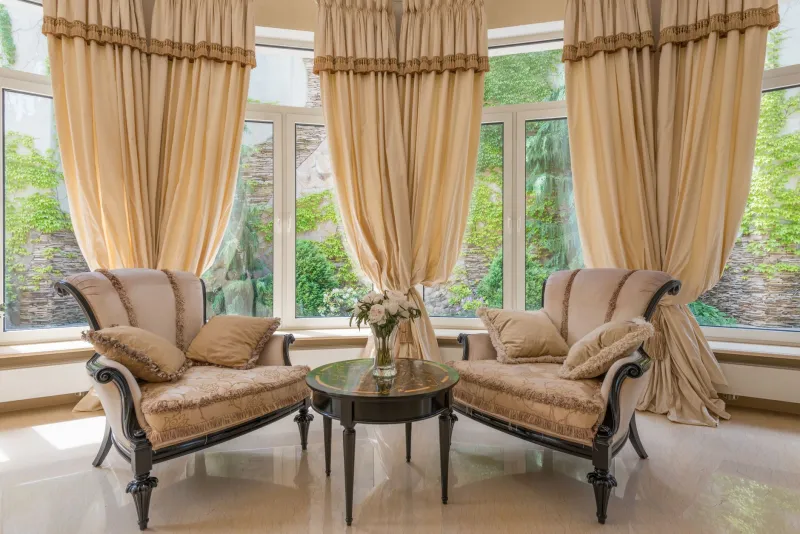
Bay windows are one of those architectural gifts we tend to stop noticing. In Victorian and Edwardian terraces they were designed to pull light into the front room, but somewhere along the way many became a holding bay for houseplants, a radiator cover and a folded clothes airer. The window seat revival is less about nostalgia and more about recognising a good thing when we see it. A bay already gives you depth, light and a natural pause in the room. Add a comfortable place to sit and you have the cosiest square metre in the house without moving a single wall.
Start with the awkward questions
Before you fall for a cushion arrangement on Pinterest, spend ten minutes with a tape measure. Note the depth of the bay, the height of the sill, where the radiator sits and whether window handles or curtains need clearance. In older UK homes, the bay may also be slightly uneven, so a bespoke bench is lovely but a freestanding one can be just as charming and far easier to live with. If you rent, or simply do not want joinery, look for a slim bench that follows the straightest part of the bay and top it with a made-to-measure seat pad. The aim is not to fill every inch. It is to leave enough breathing room for curtains, heat and the window itself.
The bench that earns its keep
A window seat works hardest when it doubles as storage. A lift-up lid is ideal for board games, spare throws or the overflow of books that never quite make it back to the shelf. Shallow drawers underneath can hold wrapping paper and candles; open baskets are better for everyday clutter because you can see what is in them. As a rule, aim for a seat height of around 45cm and a depth of 45–50cm. Any deeper and it becomes a daybed; any higher and most adults will perch rather than settle. If a radiator sits beneath the window, choose a bench with an open or slatted base and leave a gap so warmth can still move into the room. It is a small practical detail that makes the difference between a seat you use and a seat you merely admire.
Cushions, but with a plan
This is where the shoppable fun begins, and also where good intentions can go soft and shapeless. Start with the seat pad: a firm foam base wrapped in wool or a washable linen blend will hold its shape far better than a feather-filled squab. Then layer back cushions in two sizes. Two large square cushions against the window, plus two smaller rectangular ones in front, give support without turning the bench into a ball pit. Pick one pattern you genuinely love and let the rest be textural: bouclé, brushed cotton, a little velvet for winter. A single long bolster can look wonderfully neat in a narrow bay, especially if the bench is built in.
For colour, take a cue from the room rather than treating the window seat as a separate kingdom. If your living room is calm and neutral, a deep olive or rust cushion will feel intentional. If the room is already busy, keep the seat quiet and let the light do the talking. Washable covers are not a compromise; they are what makes a window seat usable with children, dogs and cups of tea.
Light, fabric and the British weather
A bay window can be bright and beautiful, but it can also be cold, glarey or both. Curtains hung at the outer edges of the bay will frame the seat without smothering it, while a Roman blind in a linen mix gives privacy without blocking the whole arch. Avoid heavy interlining if the radiator sits below the sill; you want the heat to reach the room, not get trapped behind fabric.
For evening use, add a small wall light or a rechargeable lamp on the sill. A low, warm pool of light makes the seat feel like a destination rather than a passage. This is also the spot for a narrow side table or a slim ledge just big enough for a mug and a book. In winter, a basket of throws nearby is more inviting than a perfectly styled pile you are afraid to disturb. Wool, brushed cotton and a hot-water bottle will do more for the room than another ornamental cushion.
The details that make it used daily
A window seat only earns its place if someone actually sits there. Keep the surface clear enough to land on. A small tray can corral a candle, a pair of glasses and a notebook, but avoid building a miniature shop display. If you have a reading light, put it where you can reach it from a seated position. If the window gets strong afternoon sun, a lightweight voile or a blind will stop the cushions fading and make the seat comfortable in summer. And do check window locks and handles: you still need to open the window easily, especially in a room where condensation can gather on cold mornings.
A square metre with a sense of occasion
What I love about a well-dressed window seat is that it gives a room a built-in moment. It is the place for a birthday coffee, a quiet ten minutes with a magazine, or a child reading while the rain comes down. It does not need a huge budget. A simple bench, a decent seat pad, two cushions and a warm lamp will transform the way a bay feels. The rest can be collected slowly: a seasonal cushion, a second-hand blanket, a little dish for keys. That is the joy of this kind of styling. It is not about changing the footprint of your home. It is about noticing the square metre you already have and giving it a reason to be loved.